


Laser Coders
Industrial, high-speed Laser coders for permanent coding
Linx laser coders deliver reliable industrial coding for global production lines.
Our laser marking machines are ideal for high print volumes, including food, beverage and pharmaceutical applications. In addition, they provide reliable, permanent coding for batch numbers, date codes, expiry dates, logos, 2D codes and product marking on plastics, glass, metal, coated card and more.
What are Laser coders?
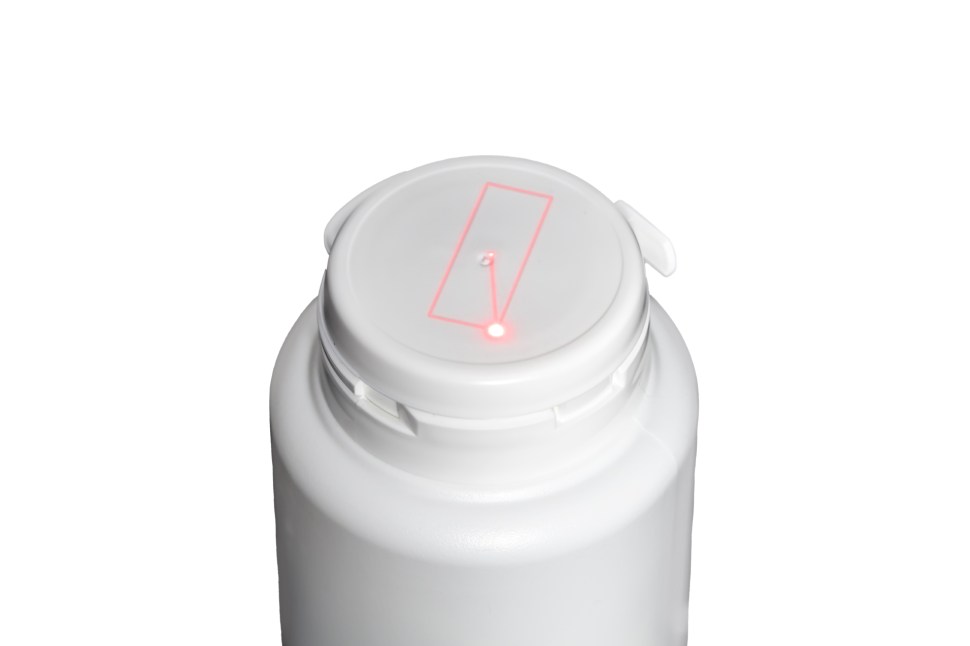
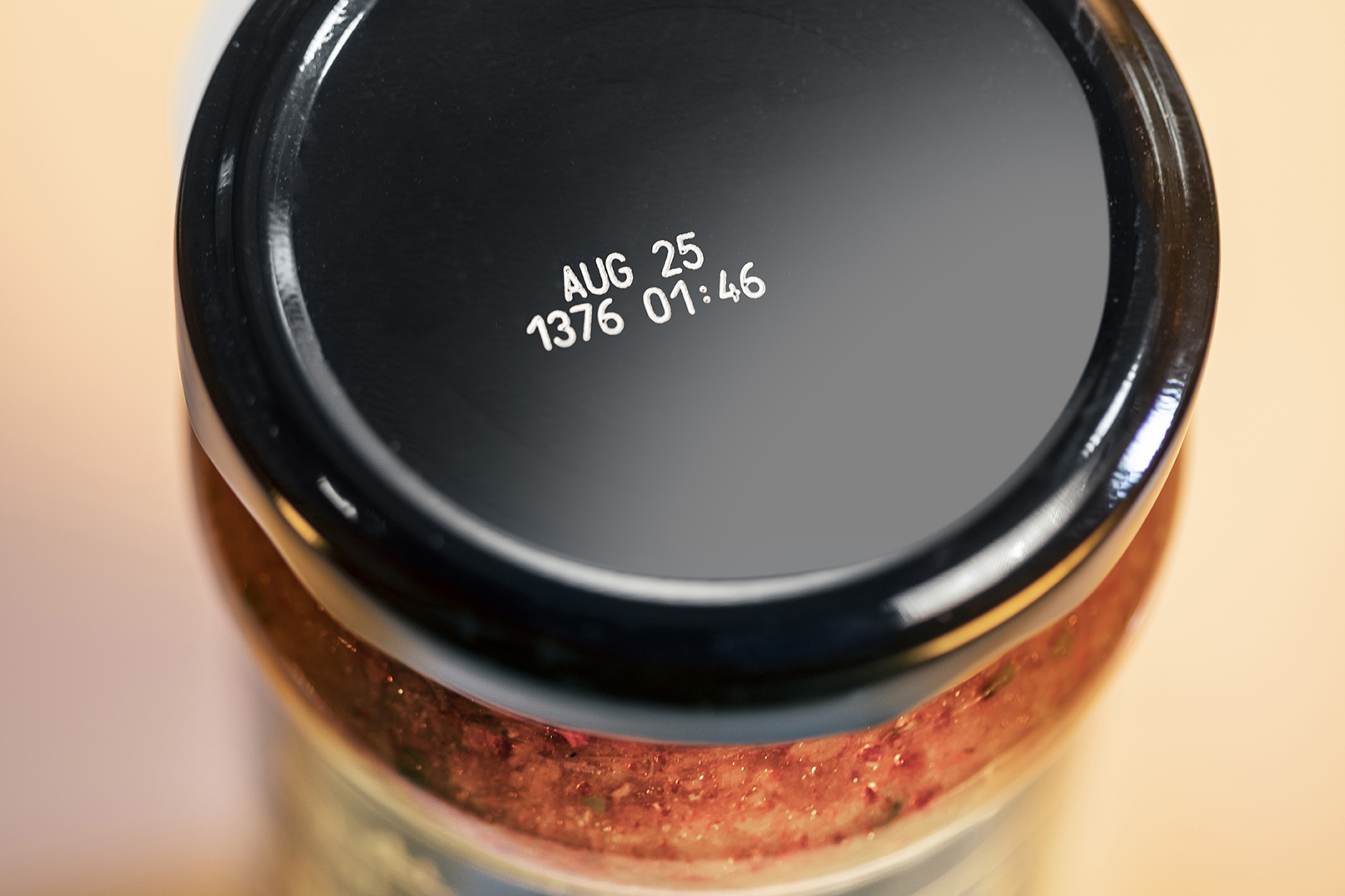
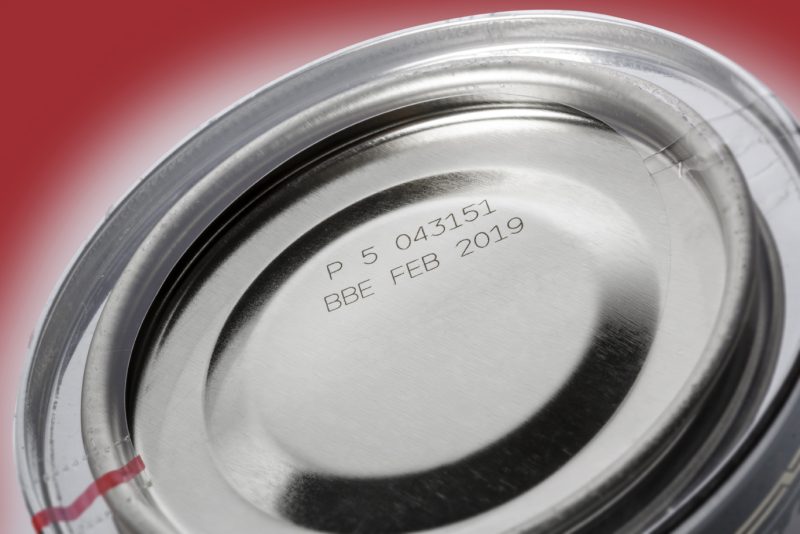
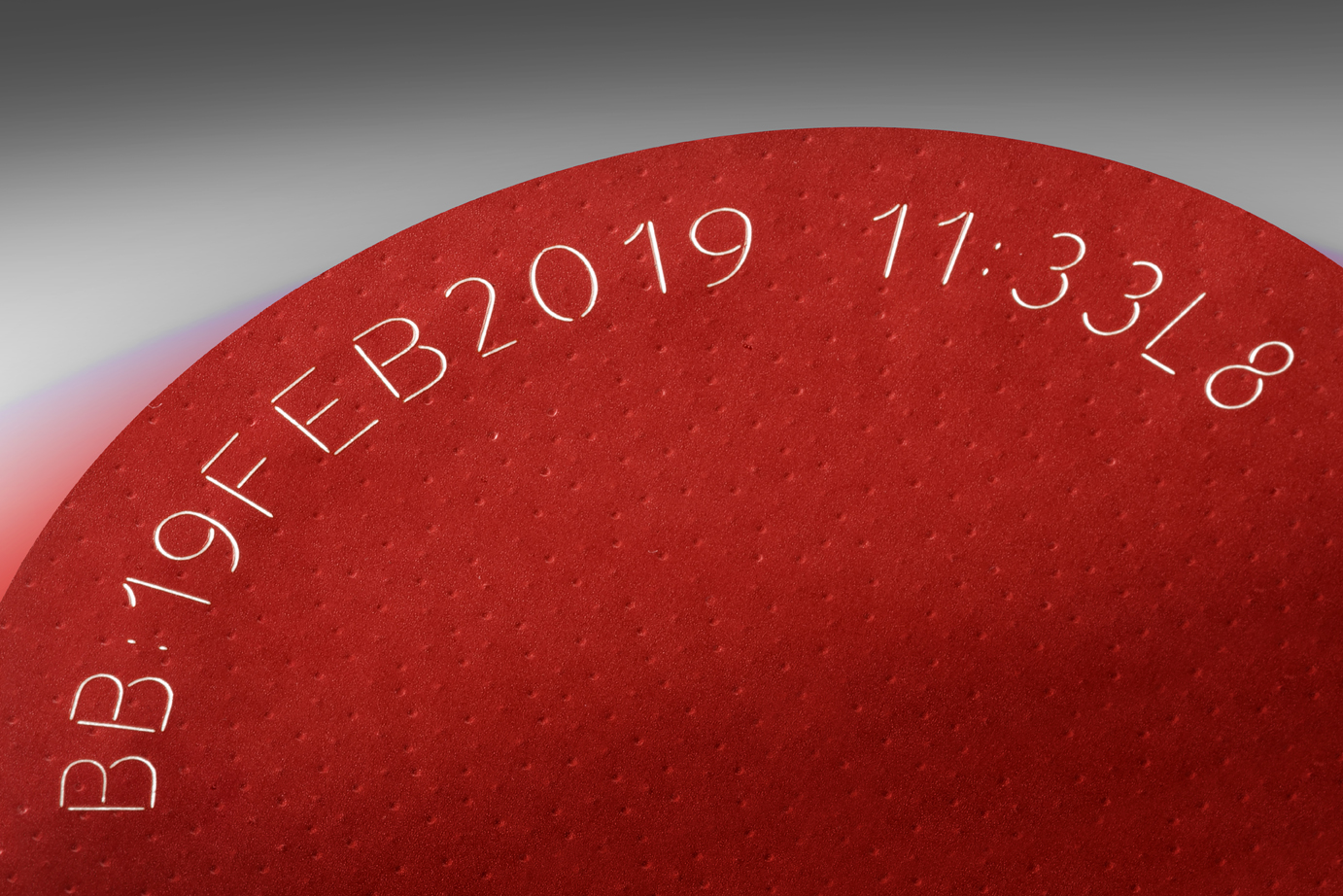
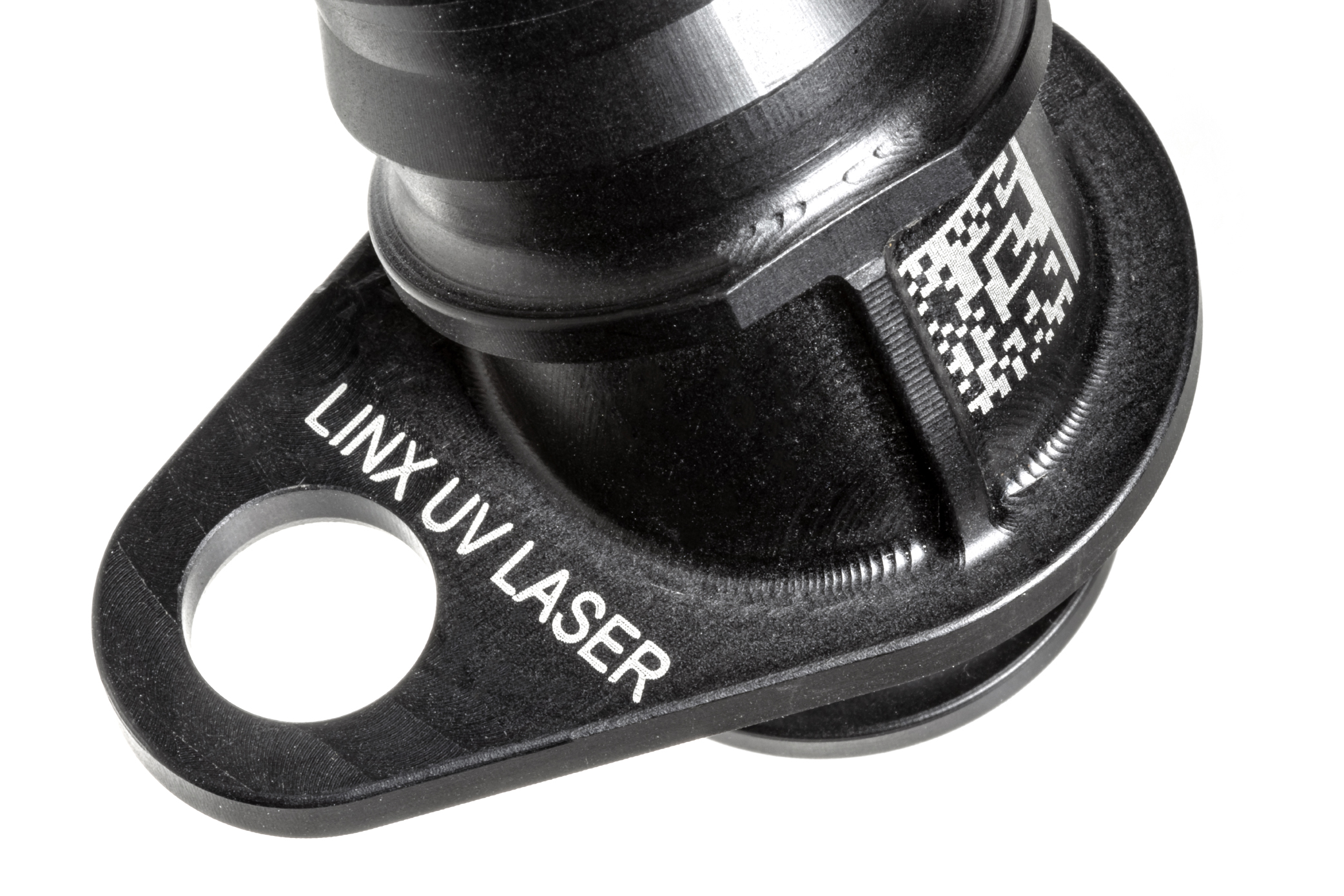
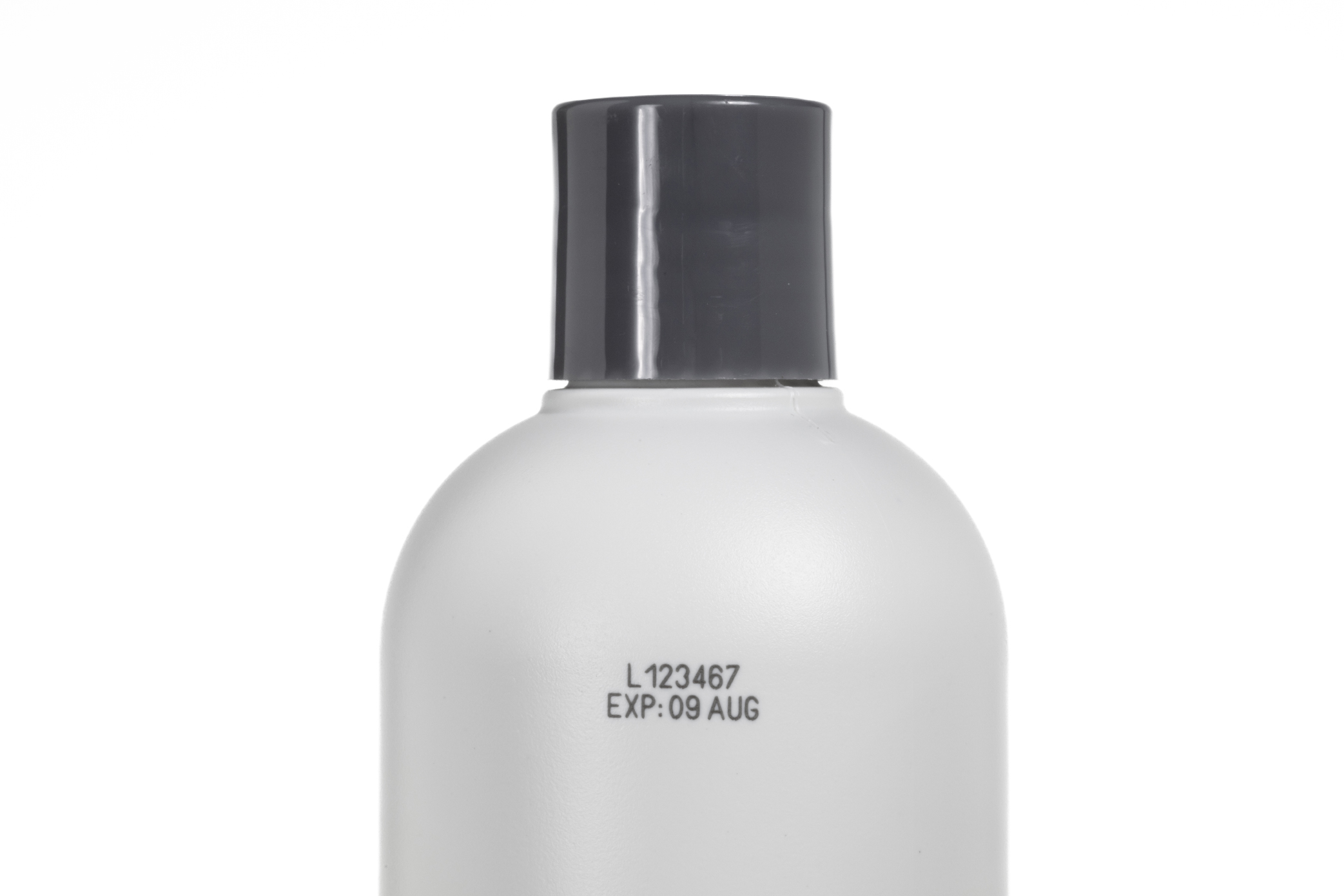
Laser coding creates codes directly on products or packaging by deflecting a concentrated beam of light through a lens to form characters. Laser coding is achieved by removing material or a coating from the product or packaging, or by changing the surface of the substrate. In each case, the code is permanent.
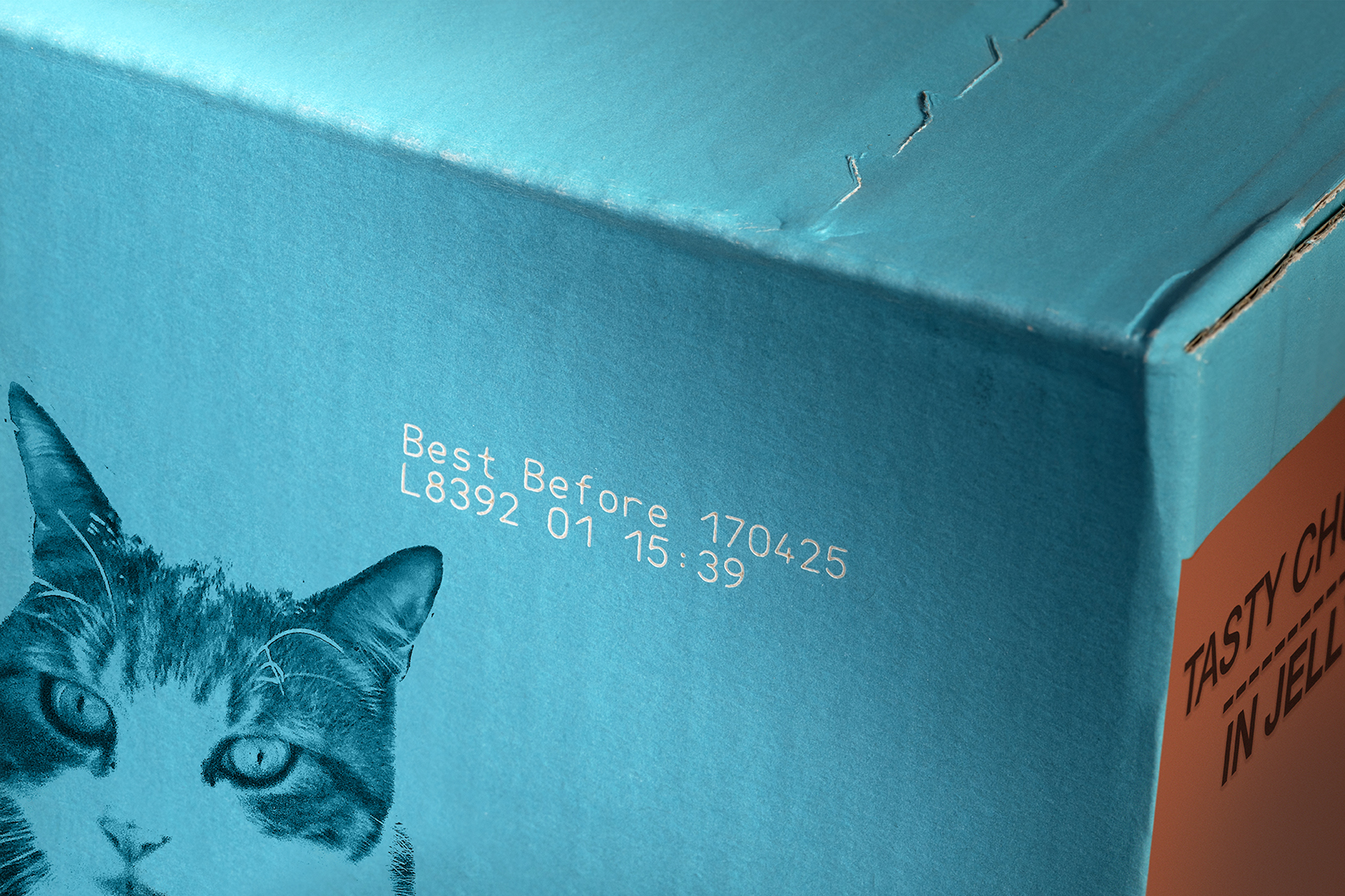
On painted card, the laser removes the top layer of paint to reveal the contrasting card beneath. For plastic materials, the laser either changes the material’s chemical structure to create a colour change or melts the surface to produce a visible mark. When marking glass, the laser creates microcracks that form a clear, permanent code without compromising product integrity.
Benefits of Laser coders
Linx lasers are versatile because they can code in any orientation. In addition, they integrate easily into compact spaces on existing production lines.
They are also cost-effective because they require no consumables and have low maintenance costs. As a result, manufacturers can reduce operating expenses over the lifetime of the system.
Furthermore, Linx lasers are easy to use. The LinxVision® touchscreen interface makes it simple to create, update and manage codes while monitoring production status.
Moreover, Linx laser coders support a wide range of industries and applications. For example, they perform reliably in high-speed production environments, washdown areas, and contract packing facilities where products and coding requirements change frequently.
Linx Laser Coders
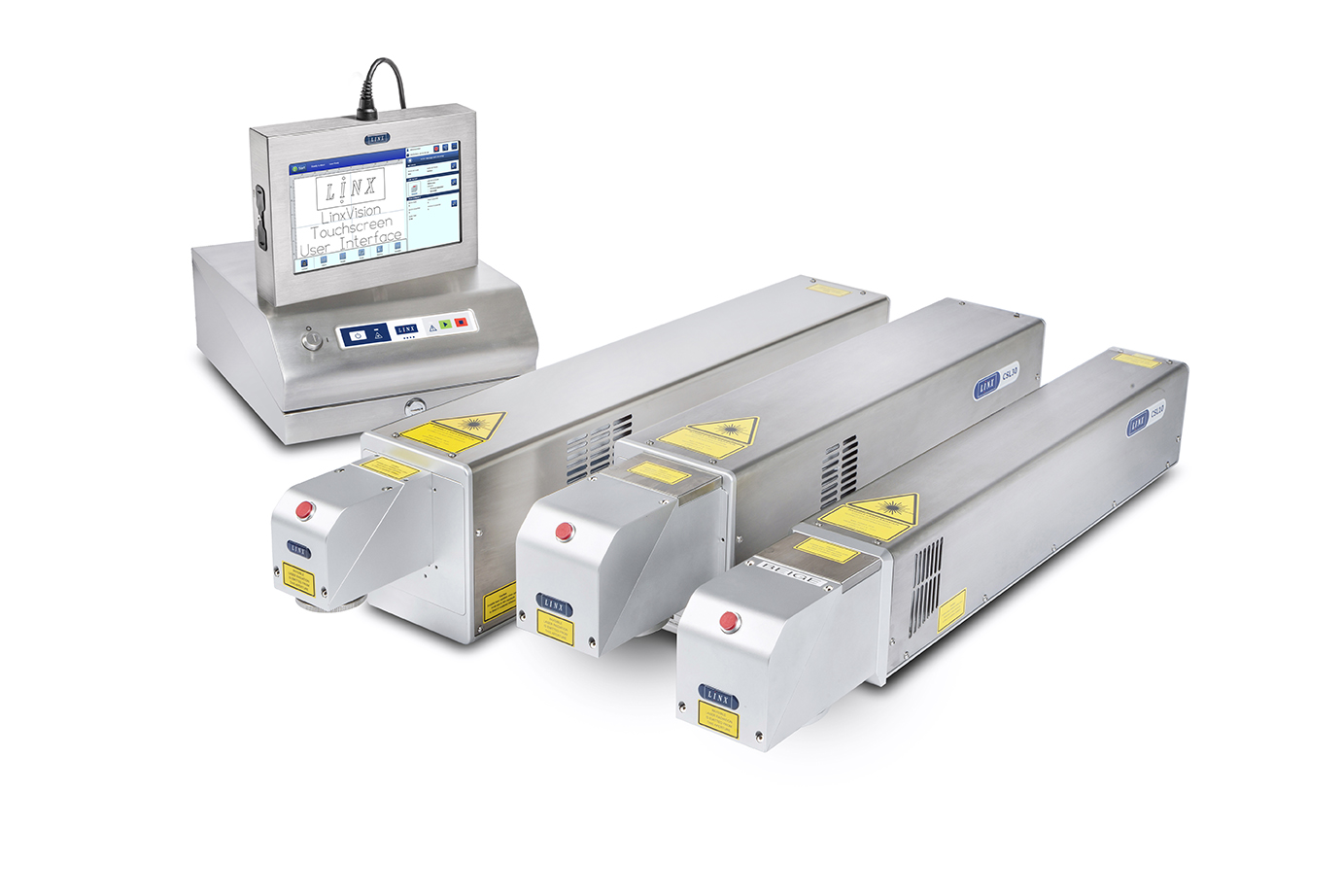


Linx CSL Series
Flexible options for high-speed marking
Features
Suitable for 24/7 operations | Data Matrix and QR codes | High-speed production | Batch and date coding | Print unlimited lines of text | Ideal for glass, rubber and plastics
Key Benefits:
- High-speed coding up to 900m/min
- Over 20,000 configurations to meet complex code requirements
- Quick to deploy and transfer to new lines
- Multiple beams allow for coding at any orientation
- Easy setup, with touchscreen message management


Linx UVG5
Fast coding on delicate substrates
Features
Suitable for 24/7 operations | Data Matrix and QR codes |GS1 compliant 2D codes | High-speed production | Batch and date coding | Easy to integrate
Key Benefits:
- Code on a range of materials including delicate mono-recyclable films and difficult to mark rigid plastics
- Code up to 2000 characters/second, up to 600m/min
- Reduced risk of damage to packaging, minimal thermal stress on substrates
- High contrast codes

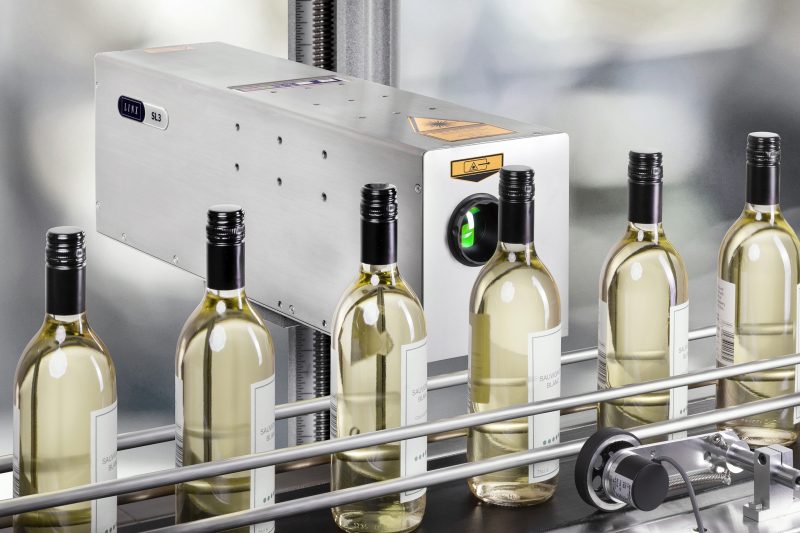
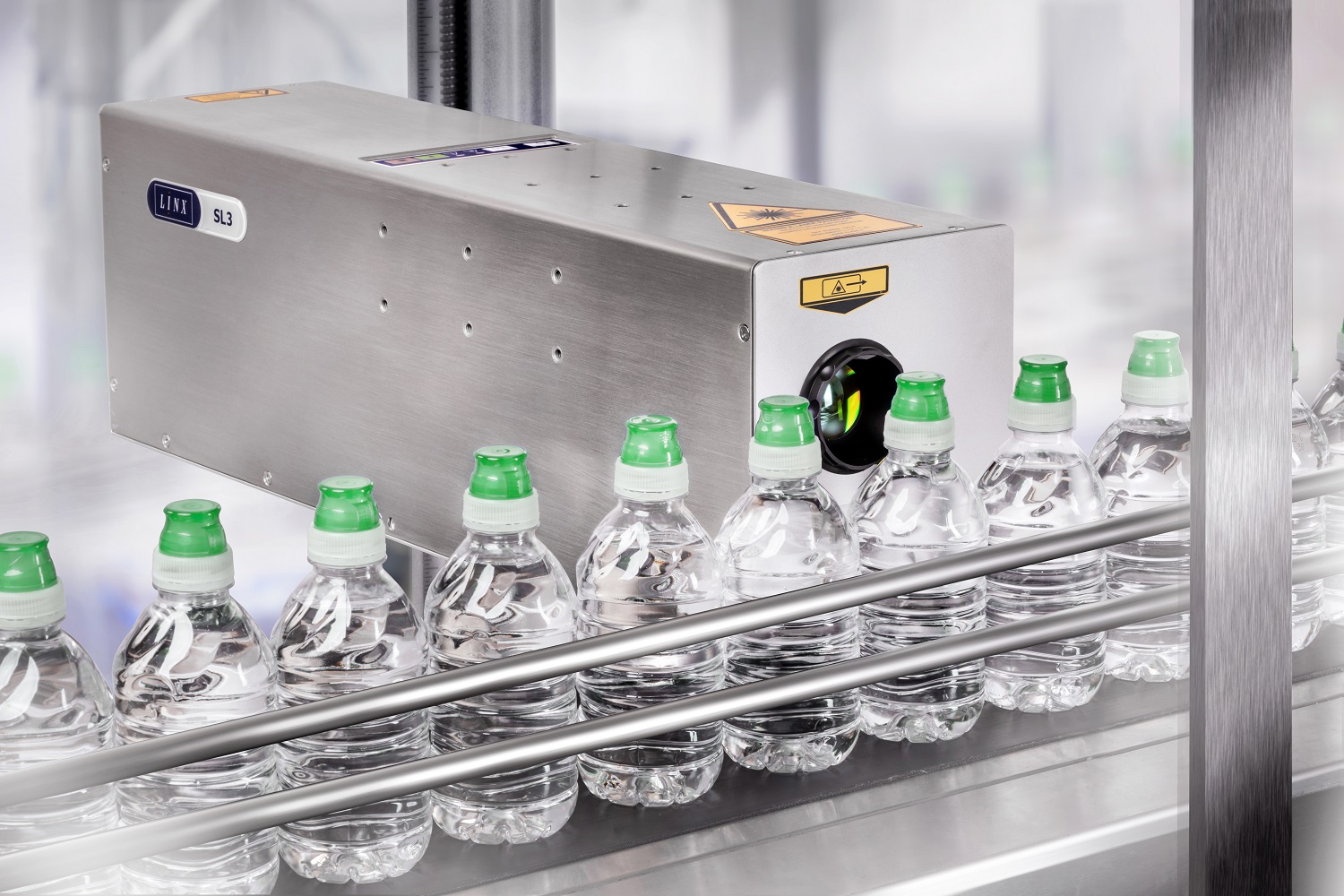

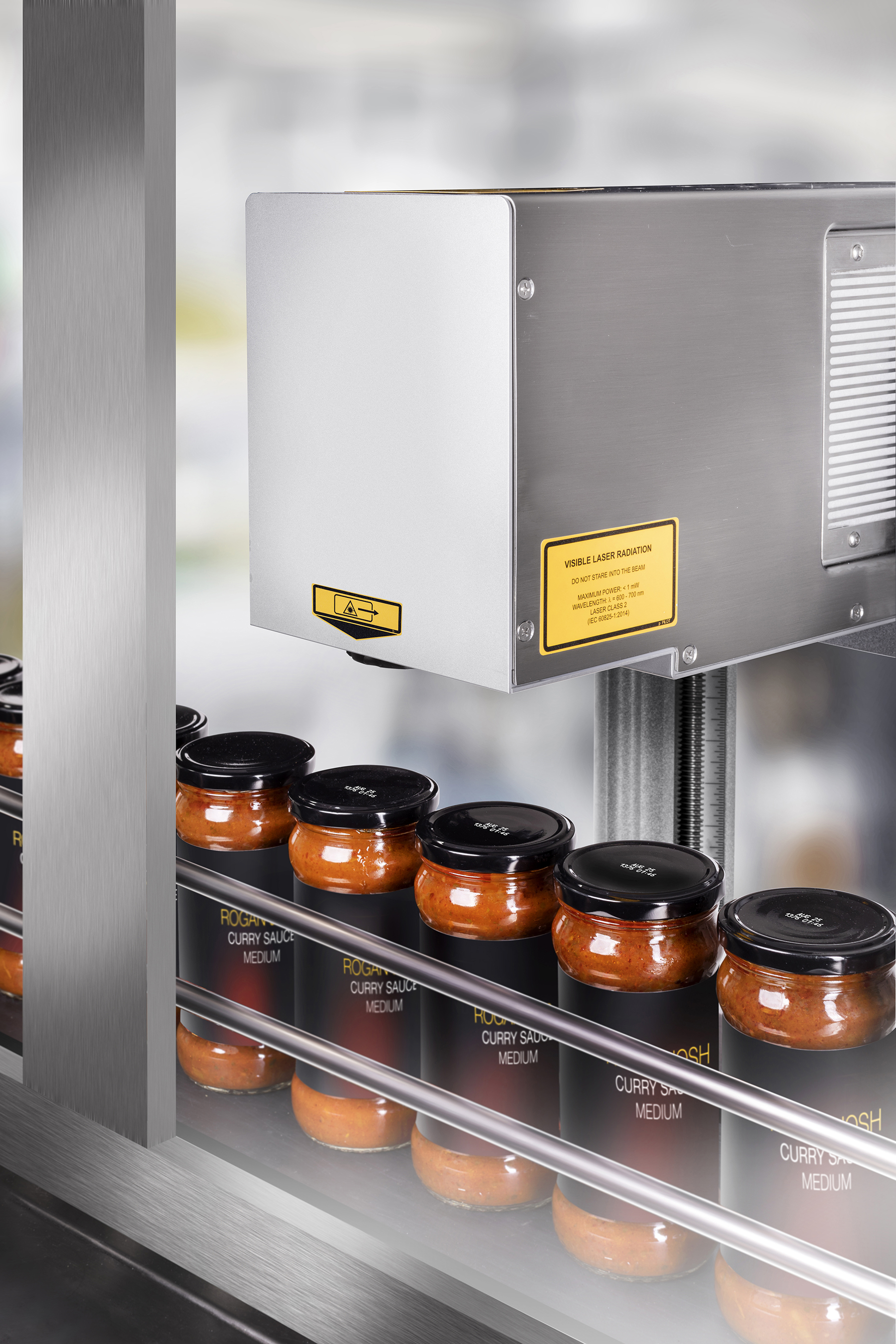
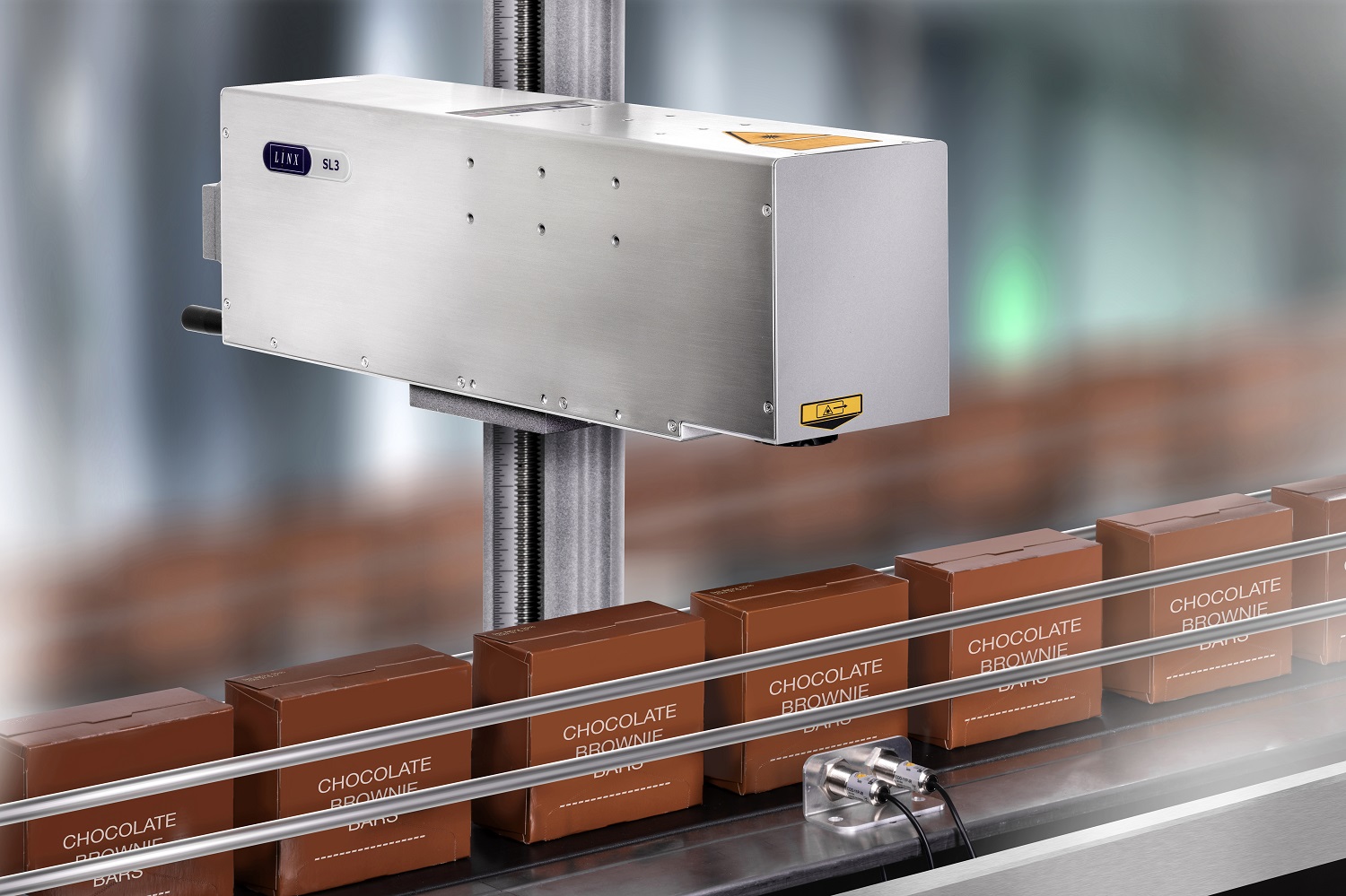
Linx SL3
30W compact and robust laser coder
Features
Suitable for 24/7 operations | Data Matrix and QR codes | Print unlimited lines of text | Batch and date coding | IP54 stainless steel enclosure | Ideal for glass, metal, plastic and card.
Key Benefits:
- Single unit installation with multiple mounting positions
- 2 year laser tube warranty
- Code up to 360m/min
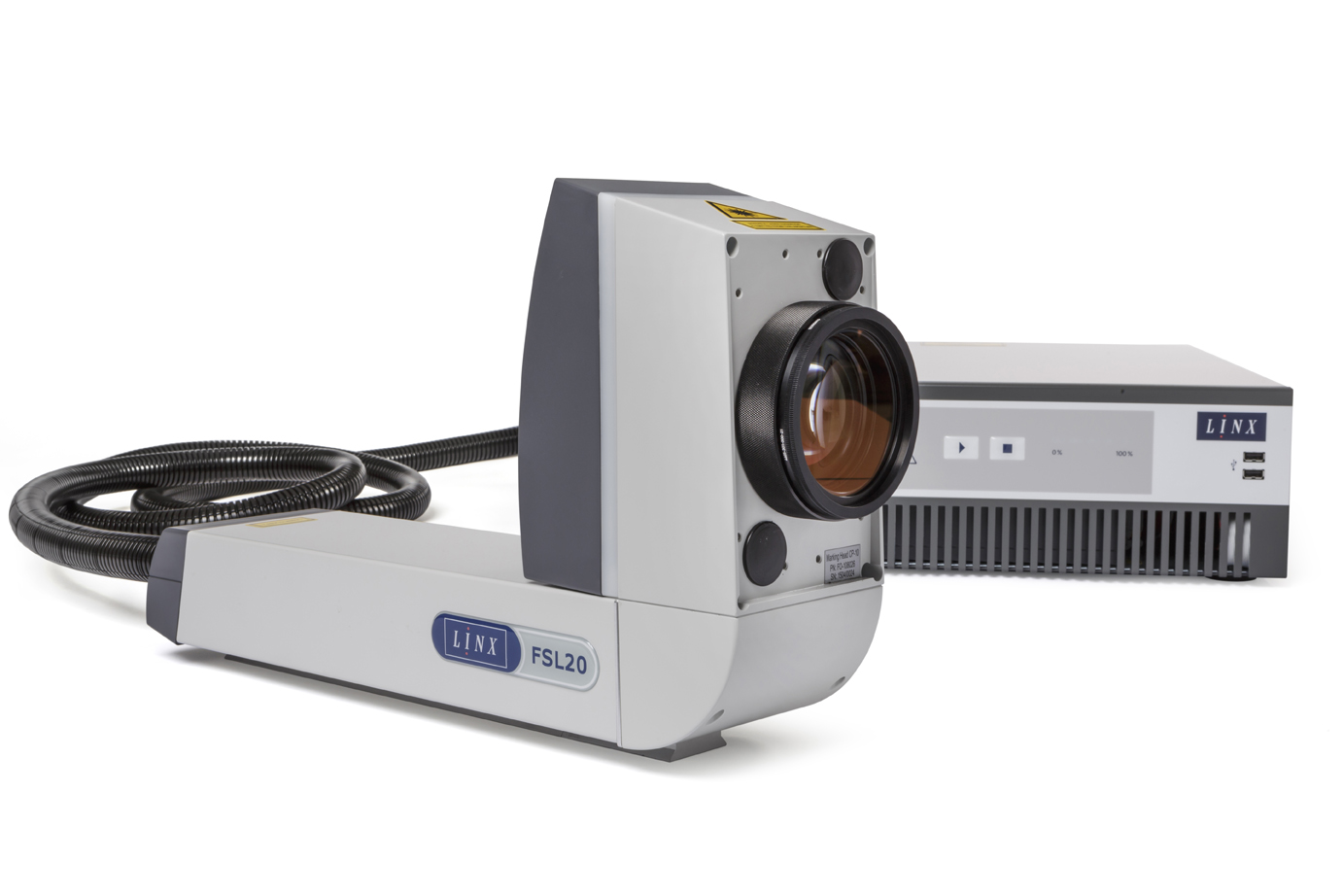
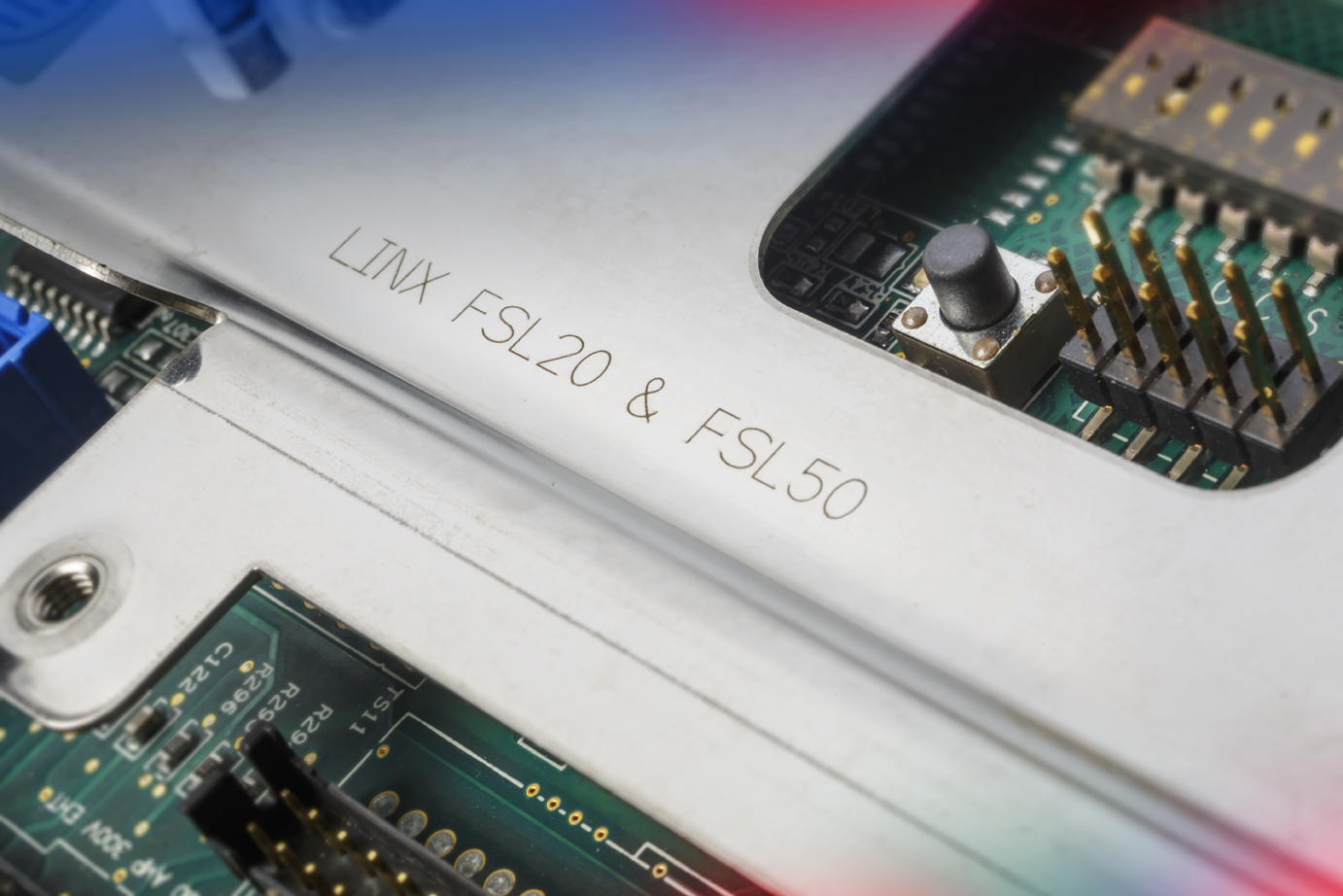
Linx FSL Series
Precision marking on many materials
Features
Suitable for 24/7 operations | Data Matrix and QR codes |GS1 compliant 2D codes | High-speed production | Choice of 4 lenses | Internal cooling system | Up to 360m/min
Key Benefits:
- Very fine spot size for quality codes, lots of information in a small space or small products
- Ideal for metal, rubber, plastic, and packaging foils
- Over 100,000 hours laser tube life
- Compact marking head for easy integration into moving and static lines
Linx laser coders provide a cost-effective and reliable solution, backed up by our product advice and support teams.
The Linx range of lasers ensures we can find a solution to any coding requirement and we will also provide safety advice for use of lasers in the workplace such as protetcive guarding and fume extraction depending on your application.
Not sure which laser coder is right for your needs? Contact us to find the best solution for your marking and coding
Applications for Laser coders
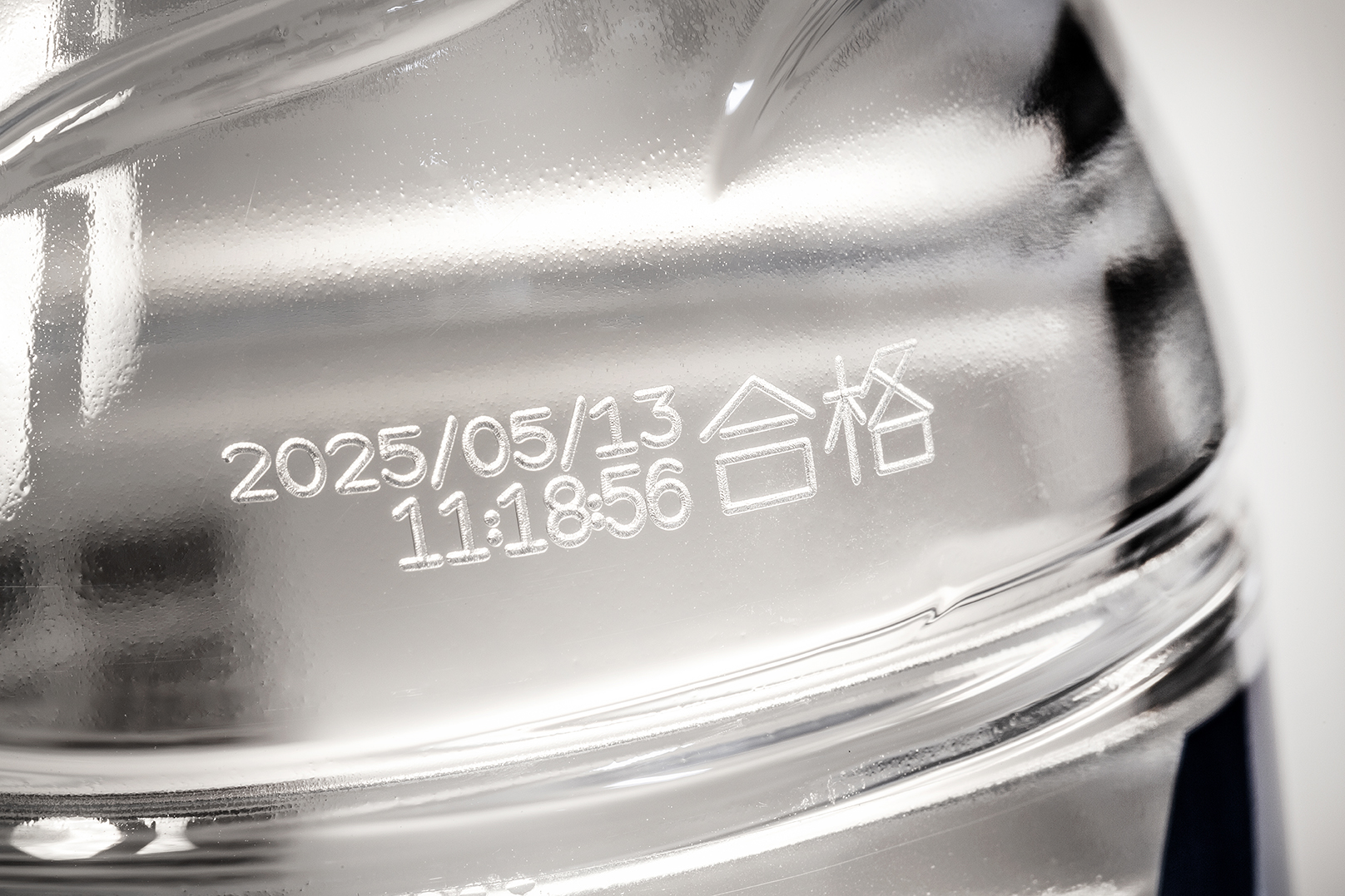

Laser and GS1 codes
Linx coding and marking solutions support GS1-compliant 2D barcodes across a wide range of production environments, from high-speed lines to flexible packaging and permanent marking applications.
Furthermore, Linx technologies are designed for reliability, ease of use and consistent code quality. As a result, manufacturers can implement traceable, scannable GS1 codes with confidence.
Linx Laser Coders, including the CSL Series, FSL Series, SL3 and UVG5, provide permanent GS1-compliant marking for applications requiring durability, precision and minimal maintenance. In addition, non-contact laser marking delivers consistently scannable 2D codes without consumables. Consequently, it offers a reliable long-term coding solution.
Moreover, Linx’s official partnership with GS1 UK reinforces our commitment to delivering trusted, standards-compliant coding solutions. As a GS1 UK-approved provider, all Linx laser products are validated to print GS1-compliant 2D codes with precision and reliability.

Linx laser coders provide a cost-effective and reliable coding solution. In addition, our experienced product specialists and support teams help you select, install and maintain the right system for your application.
Furthermore, the Linx laser range includes solutions for a wide variety of coding requirements. As a result, we can help find the most suitable laser technology for your substrate, line speed and production environment.
We also provide guidance on laser safety, including protective guarding and fume extraction requirements. Consequently, you can integrate laser coding into your workplace with confidence.
FAQ
A laser coder is an industrial machine that uses a focused laser beam to permanently mark products with information like dates, batch numbers, barcodes, or logos—without using ink or physical contact. These systems are widely used in high-speed manufacturing environments such as food, beverage, pharmaceutical, and electronics industries. The laser alters the surface of the material, by engraving, etching, or changing its colour, to create clear, high-quality codes without adding inks or other consumables.
Laser coders can mark a wide range of variable and static information, including batch numbers, date codes, barcodes, QR codes, logos, and traceability data. Many systems can also handle high-density codes such as Data Matrix or GS1-compliant formats.
Yes. Laser coding creates permanent marks that are resistant to smudging, fading, or removal. This makes it ideal for applications where durability and long-term traceability are essential.
Laser coding offers several advantages for manufacturers:
No consumables – no ink or solvent requirements
Low maintenance – fewer parts to replace or service
High-speed operation – suitable for fast production lines
Permanent, high-quality codes
Laser coders can mark a wide range of materials, including plastics, glass, paper, cardboard, metal, rubber, and films. The most suitable laser type (CO₂, fibre or UV) will depend on the material and the mark required.
The best laser coder depends on several factors:
The material being marked
The type of code needed (text, barcode, 2D code)
The production speed
The production environment
Different laser technologies are suited to different applications—for example, fibre lasers for metals and small components, CO₂ lasers for packaging materials, and UV lasers for delicate substrates.
Yes. Laser coders are designed for high-speed production environments and can deliver consistent, high-quality codes at fast line speeds without compromising readability.
Laser marking can be carefully controlled to suit the substrate. For example, UV lasers minimise thermal impact, making them ideal for delicate materials, while other laser types can mark more robust surfaces effectively without damaging them.
Laser coders are typically designed for straightforward integration into production lines, with flexible mounting options and features that allow for quick setup and product changeovers.
While the initial investment may be higher than some alternatives, laser coders can deliver lower total cost of ownership due to: No consumables, Reduced maintenance, Less downtime and Longer service life
Laser coders typically require less routine maintenance than ink-based systems because there are no fluids or printheads involved. This helps reduce downtime and simplify operation.
Learn more about Linx Lasers
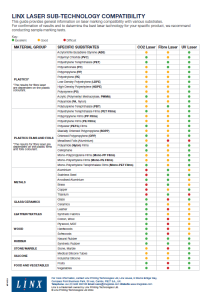
Linx Laser compatibility